 Bedding
Tex Bedcover
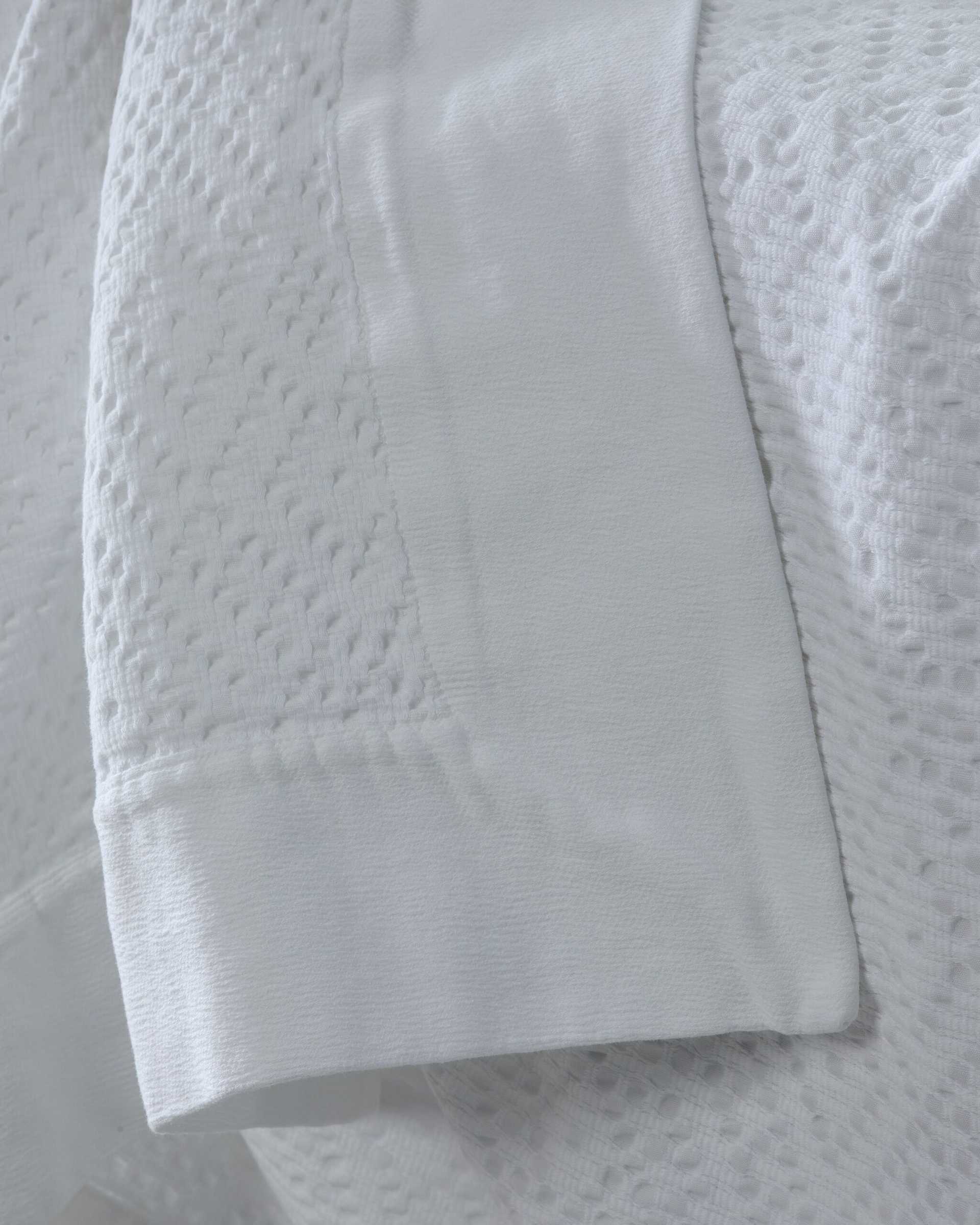
Enjoy cooler, more comfortable summer nights with this lightweight pure cotton bedcover. Its textured waffle weave adds inviting softness, while the woven border creates a neat, polished drape.
Bed covers serve as a foundational layer for sleeping environments, combining aesthetics with practical functions such as warmth, moisture management, and fabric durability. In the bed coverings category, emphasis is placed on material choices, weave types, and thread counts that influence breathability, softness, and long-term performance for diverse climates and sleep preferences.
A key consideration is fabric composition, including cotton, linen, and blends, which shape comfort, allergy resistance, and care requirements. Natural fibers often offer better breathability, while blends can balance durability and ease of cleaning. Understanding fabric weights and weaves helps select bed covers suitable for seasonal changes and personal comfort.
Design and functional features include solid colors, patterns, quilted textures, and reversible options. Many bed covers incorporate hypoallergenic finishes, moisture-wicking properties, and wrinkle resistance, enhancing room practicality without sacrificing style. The right cover can protect underlying sheets and mattresses while contributing to a cohesive bedroom aesthetic.
Within the category, notable items such as Free New Bedcover variants illustrate practical benefits: breathable layers, machine-washable construction, and generous coverage that drapes softly over the bed. Product names and specifications highlight benefits like enhanced temperature regulation, easy care, and compatibility with organic mattresses or latex toppers.
Understanding the relationships among bedding elements—sheets, pillows, and bed covers—helps optimize sleep environments. Keywords such as bedding, pillows, sheets, organic mattresses, and latex reflect interdisciplinary considerations, including materials science, ergonomics, and environmental impact, guiding informed decisions about long-term comfort and room harmony.
Bedding