Skyline Panel Bed
Handmade-to-order panel bed in solid Vermont wood (Cherry, Maple, or Walnut) with a natural eco-friendly oil finish. Enjoy lasting durability, easy care, and a timeless, refined presence that echoes your space.
Explore the premium materials that shape the sleep experiences behind New York City’s most coveted hotel beds. From down and kapok to premium Egyptian cotton and meticulously engineered mattress pads, this guide unpacks why certain fabrics and fills feel so transformative in a city that never stops asking for rest.
New York’s hotel rooms are not merely places to lay your head; they are mini-reservoirs of atmosphere. The materials chosen by hospitality houses—The Clean Bedroom, Sferra, Luxor, and others—speak to a philosophy of climate control, durability, and tactile soul. In the glimmer of Midtown, in the intimate corners of the West Village, or along the curving avenues of Brooklyn, the bed becomes a stage: sheets that cool and soften, duvets with loft that fluffs to life with every twist, pillows that cradle the neck with a whisper of support. The best NYC beds have learned to balance city heat with breathable fibers, weighty yet agile weaves, and a quiet elegance that doesn’t announce itself but lingers with you as you wake.
In hotel sleep, pillow architecture matters as much as the mattress. The Clean Bedroom Manhattan Down-Filled Pillow exemplifies the premium approach: a high fill power—850 in some of its best models—delivering a cloud-like headrest that remains buoyant night after night. The pillow’s outer fabric, a tightly woven cotton cover, is designed to hold shape while remaining soft to the touch. For travelers, a pillow that retains loft can be the difference between a restorative night and a day spent chasing drowsiness.
Alternatives to traditional down—such as kapok and synthetic blends—offer distinct advantages in temperature regulation and resilience. Kapok, a plant-based fiber, brings a buoyant, airy feel that resists clumping and distributes pressure evenly across the neck. It’s a material that aligns well with warmer city nights, providing breathability while still delivering a luxurious, plush sensation. In NYC hotels where humidity can tilt toward the warmer end of the spectrum, kapok pillows become a clever counterbalance to heavier, denser fills.
Additionally, adjustable latex pillows, like Naturepedic Organic Adjustable Latex Pillow, empower guests to tailor loft and firmness on the fly. The latex core promotes airflow and resilience, while the organic cotton cover remains gentle on the skin. For lovers of customization, a pillow that adapts to posture and preference is a small but meaningful edge in a city where travel schedules often swing between red-eye arrivals and early morning meetings.
The duvet is where the city’s climate—air-conditioned rooms, urban humidity, fluctuating outdoor temperatures—meets the inner climate of a restful night. The Clean Bedroom Manhattan Goose Down Comforter, filled with large-cluster Hungarian white goose down and cured in a champagne-toned TENCEL lyocell shell, demonstrates how a winter-weight option can feel feather-light on top while still insulating effectively. The TENCEL shell is designed to wick moisture and manage heat, helping to prevent sleep from becoming a heat map of discomfort.
For travelers who favor year-round comfort, the concept of a multi-weight set—a winter weight for the truly chilly nights, a year-round option for temperate seasons, and a summer version for mild, humid summers—offers flexibility. The choice of fabric shell matters as much as loft. A sateen or percale weave on the duvet cover alters the texture against the skin, with percale offering a cooler, crisper feel and sateen delivering a smoother, more drapey surface. In NYC hotels, the duvet cover becomes a quiet instrument in a well-tuned orchestra of fabrics, ensuring the bed feels both luxurious and inviting after a long day in the city’s bright glare.
Sheets are the daily interface between the sleeper and the bed. Luxor’s sheet sets, rendered in 100% Egyptian cotton with percale finishes, prioritize a crisp, cool hand for everyday comfort. The Luxor Fitted Sheet, crafted in Italy, emphasizes a secure fit with a matte finish, offering a subtle sheen of luxury without overpowering the room’s design. The Luxor Duvet Cover, also woven in Italy, carries the same understated sophistication, ensuring that the entire bed ensemble reads as a single, coherent fabric story.
But texture matters beyond temperature. The Gramercy line—pillowcases and flat sheets crafted from long-staple SUPIMA cotton percale with a 400-thread count—adds a refined, tactile note to luxury sleep. Hemstitch detailing and embroidered lines along these pieces create an elevated, artful finish that invites guests to linger on the bed’s edge, tracing the seam and noticing the care that has gone into the bed’s construction.
When selecting home sheets that mimic hotel-grade comfort, consider the weave’s weight and the fiber’s long-term behavior in laundering. Percale tends to feel crisper and cooler, making it a natural choice for city climates, while sateen offers a smoother surface with a warmer touch. The careful pairing of thread count, fiber, and weave can preserve a hotel’s sense of polish in a home setting, letting the personal space borrow a touch of NYC’s nocturnal glamour without losing everyday practicality.
Beyond the aesthetics of sheets and duvets lies the practicality of protection and longevity. The Downtown Company Luxury Cotton Mattress Pad demonstrates a refined approach to layering: a plush cotton fill with a honeycomb quilted cover, designed to be breathable and durable. A well-chosen mattress pad shields the mattress from wear and tear while preserving surface loft, which is essential for maintaining a hotel-level sleep experience in a home setting.
For travelers, a breathable silk mattress pad offers a different kind of luxury—softness, temperature regulation, and a protective, easy-care surface. The Downtown Company Silk Mattress Pad blends silk fiber with a cotton cover to deliver a sleeping surface that is both sumptuous and resilient, especially in climates where air conditioning and humidity swing during the night.
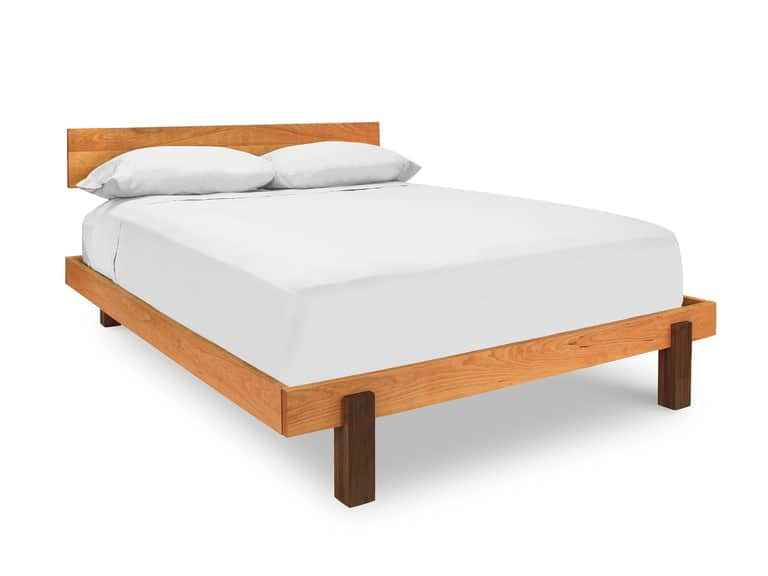
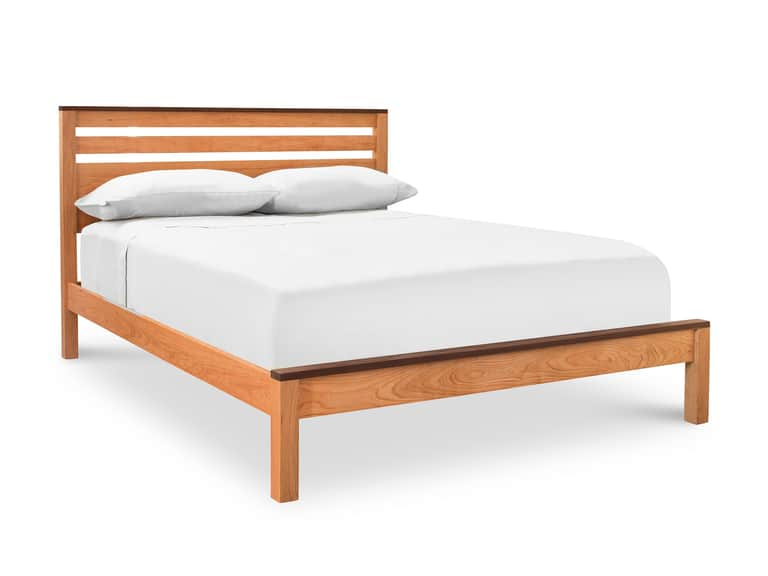
Consider the Skyline Panel Bed, a Vermont-made platform bed that grounds a sleeping sanctuary in solid hardwoods—cherry, maple, or walnut—with an eco-friendly hand-rubbed oil finish. The bed’s architecture is a quiet manifesto about materials: it is not merely a frame; it is a stage for the textiles and fills that surround it. The bed’s clean lines and architectural profile echo the city’s minimal modernism, suggesting that the luxury of NYC sleeping lies not in ostentation but in the careful curation of materials, textures, and light. A bed like this—substantial, stable, and beautifully finished—becomes the anchor around which all other bedding decisions revolve.
In a hotel room, such a bed would allow the layers above it—the sheets’ drape, the duvet’s weight, the pillow’s loft—to express themselves with clarity. The wood’s natural grain would encourage a sense of warmth inside a room that often relies on cool palettes and understated color. The Skyline Panel Bed stands as a reminder that luxury begins with the choice of core materials and the integrity of construction—an invitation to rest with a sense of permanence amid a city that never stops moving.
In the end, recreating hotel-grade comfort is less about chasing a brand and more about understanding the dialogue between fabric, fill, weave, and construction. A home bed that nods to NYC’s hotel culture will feel curated, serene, and impeccably durable—a resting place worthy of a city that demands the best from every thing it touches.
From the late 19th century to contemporary design curation, three figures—each tracing a line through different eras—offer distinct lenses on luxury bedding and the rituals of sleep.
These voices, from disparate times, converge in a shared belief: that sleep is a crafted practice. The modern NYC hotel bed embodies this craft by translating centuries of craft into a single, lucid ritual—an invitation to wake with intention and clarity.
A Vermont-made platform bed that anchors a luxury sleep environment with solid woods and a hand-rubbed oil finish.


The bed’s architectural presence translates into a foundation that harmonizes with a spectrum of bedding textures—percale sheets for the cool, crisp note; sateen for a whisper of luster; and down or kapok for varying lofts. In a storefront display of materials and finish, the Skyline Panel Bed embodies a philosophy: the bed is a long-term investment in a home’s comfort and character.
What makes a hotel sleep experience feel luxurious is not the largest mattress or the heaviest duvet alone, but the careful orchestration of textiles and structure. The materials behind NYC’s hotel beds—The Clean Bedroom’s premium down and organic fills, Sferra’s Giza 45 Egyptian cottons, and Luxor’s meticulously woven sheets—are not mere accoutrements; they are the architecture of rest. They enable a visitor to drift into a city’s rhythm and awaken with clarity, ready to meet the day’s demands with a poised, unhurried energy.
For readers who crave the same effect at home, the path is not to imitate every product exactly but to study the logic of the hotel’s sleep ecosystem: breathable shells, resilient lofts, temperature-regulating fibers, and thoughtful layering. In a city where rooms are often compact and climate varies with the season, the best bedding empowers us to turn any bed into a sanctuary—an urban interlude that feels like a gentle exhale after a long day.
Note: The Skyline Panel Bed is featured as a product spotlight to illustrate how material and furniture choices collaborate in a luxury sleep environment. The images shown are from product listings and are used to convey the tactile and aesthetic qualities discussed in this guide.