Pillowcases are essential for maintaining pillow hygiene and protecting delicate fabrics, while contributing to a comfortable sleep surface. This category emphasizes fabric choices, weave types, and finishing processes that influence breathability, softness, and durability. Understanding fabric weight, thread count, and care requirements helps identify pillowcases suitable for different climates and sleep preferences, including sensitive skin considerations.
Common pillowcase materials include high-thread-count cotton, cotton sateen, mulberry silk, and blends that balance softness with moisture management. Key features to note are weave stability, zipper or envelope closures, and corner ties that ensure the pillow stays in place. Material choices affect temperature regulation, friction against hair, and the overall feel against the face and neck.
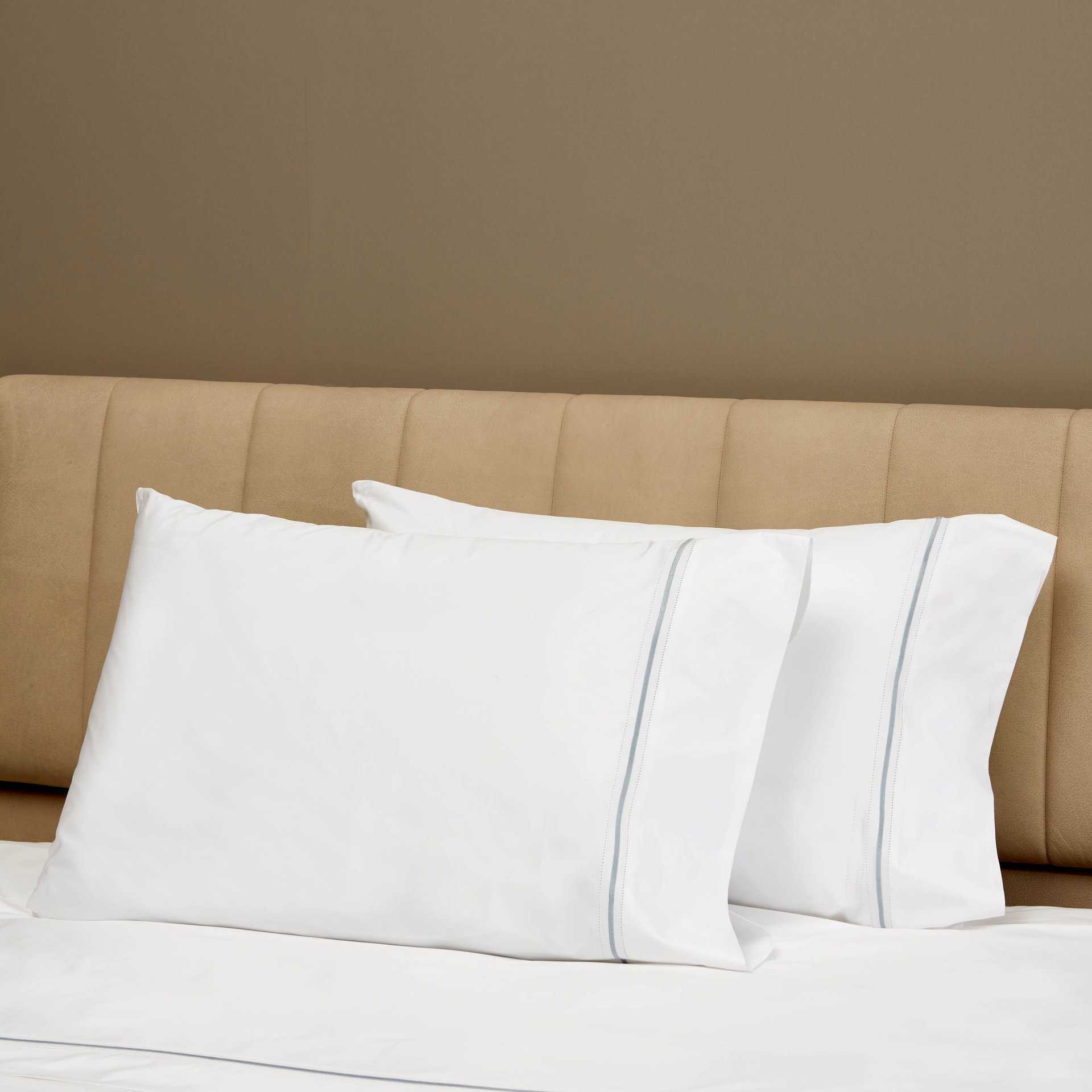
Within this category, Gramercy Pillowcases exemplify design and function, offering refined textures and practical benefits. These pillowcases typically feature durable stitching, easy-care fabrics, and finishes that resist wrinkling while maintaining a smooth surface. Their profiles suit various pillow sizes and align with broader bedding ecosystems for cohesive sleep environments.
Performance considerations for pillowcases include moisture-wicking properties, hypoallergenic finishes, and colorfast dyes that endure repeated washing. For seasonal changes, lighter cotton options may feel cooler in warm months, while silk or sateen blends can provide gentle insulation. Proper laundering routines help preserve fabric integrity and extend pillowcase life.
In addition to comfort, pillowcases contribute to pillow protection, reducing fabric wear on sleeping surfaces and helping maintain pillow shape. By evaluating care labels, fiber content, and construction quality, consumers can select pillowcases that align with bedding goals—complementing sheets, organic mattresses, and latex considerations for a balanced sleep environment.
 Bedding